Cart
0
You may also like
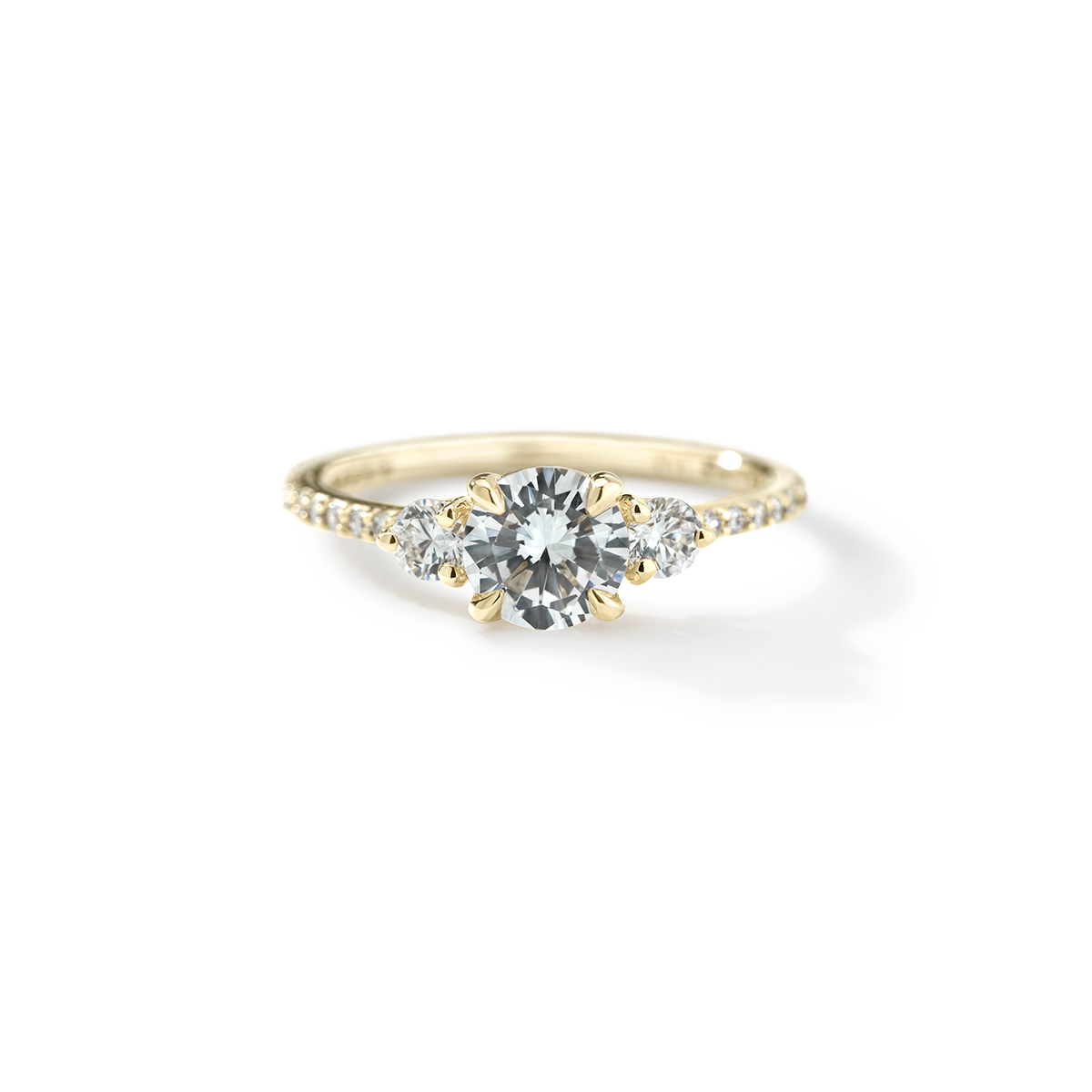
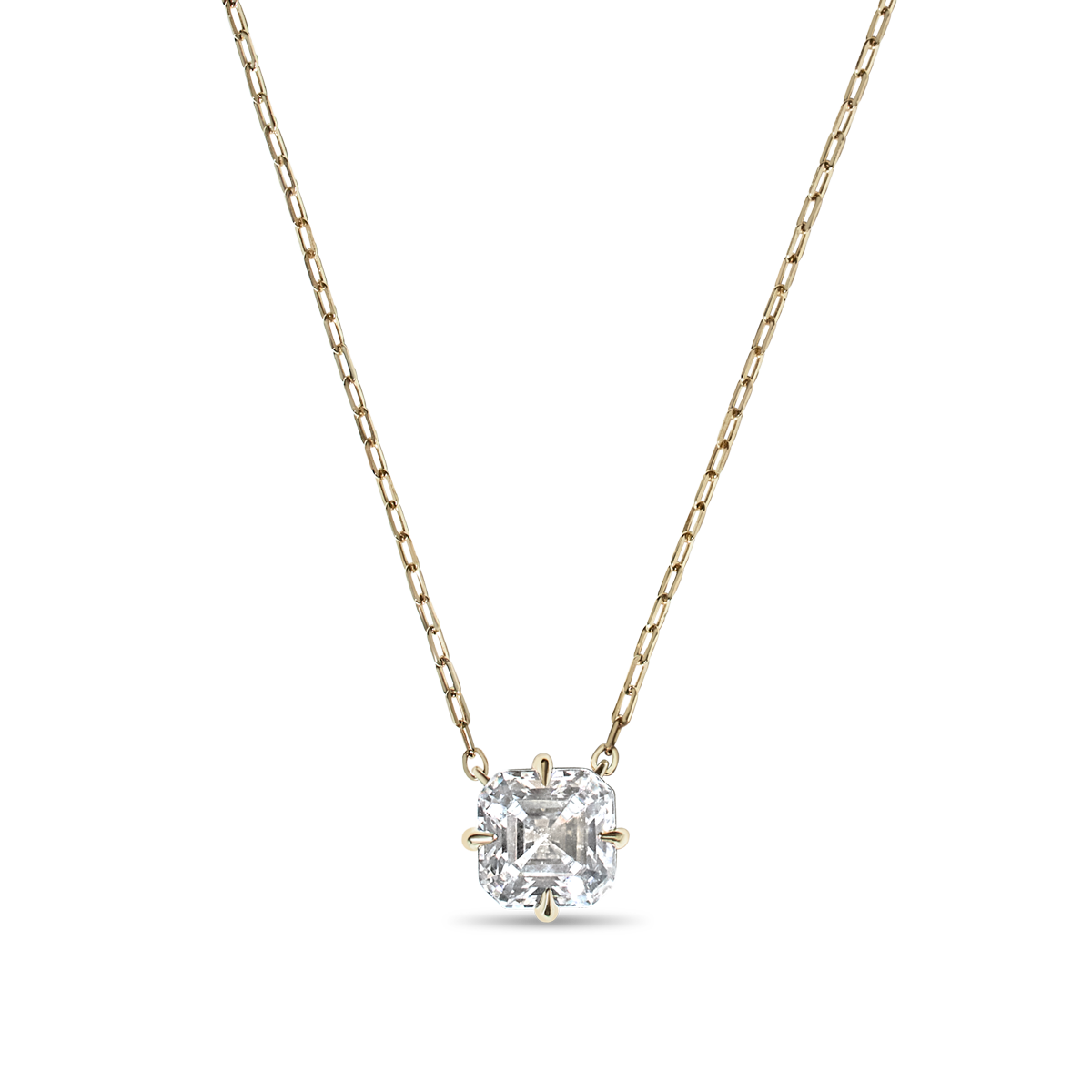
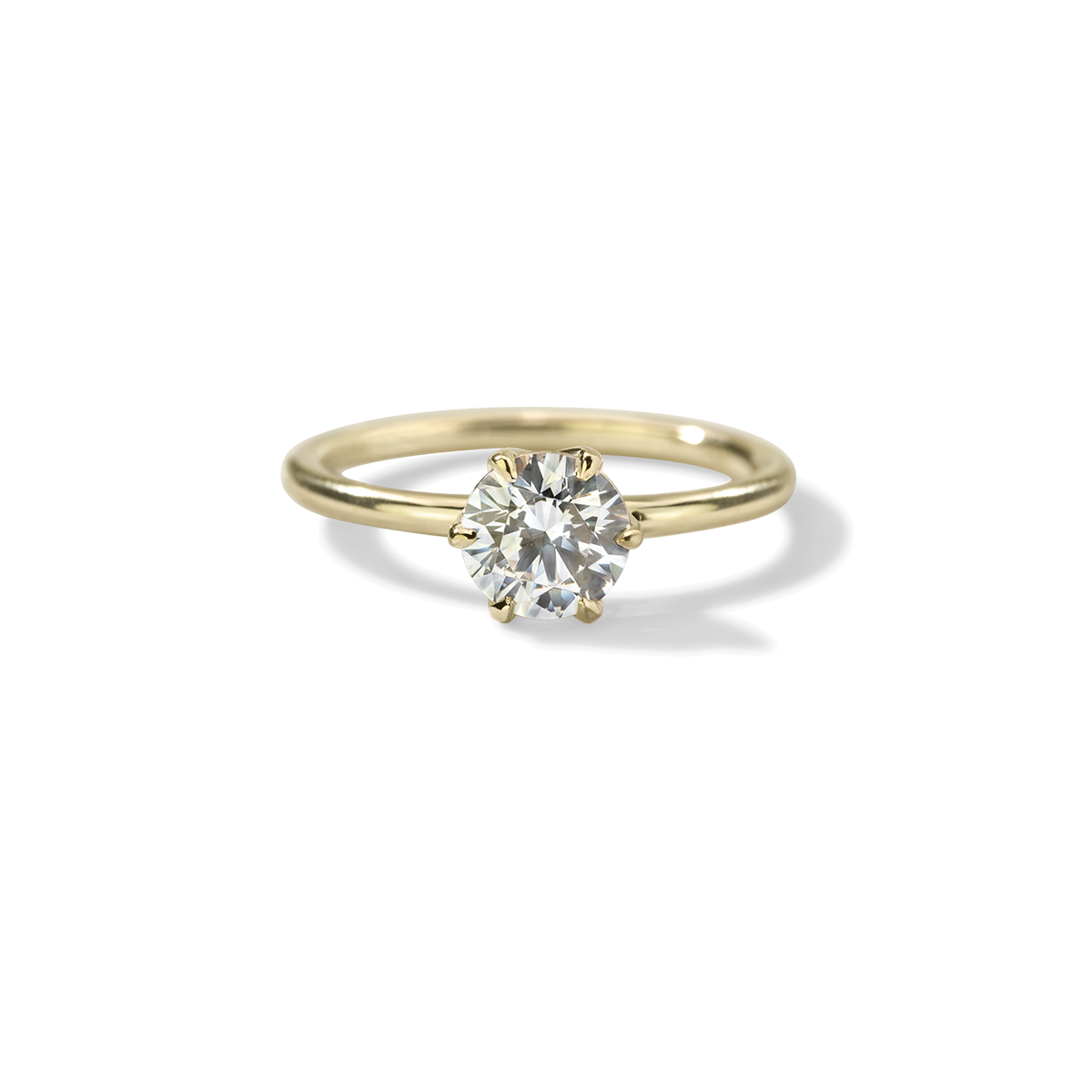
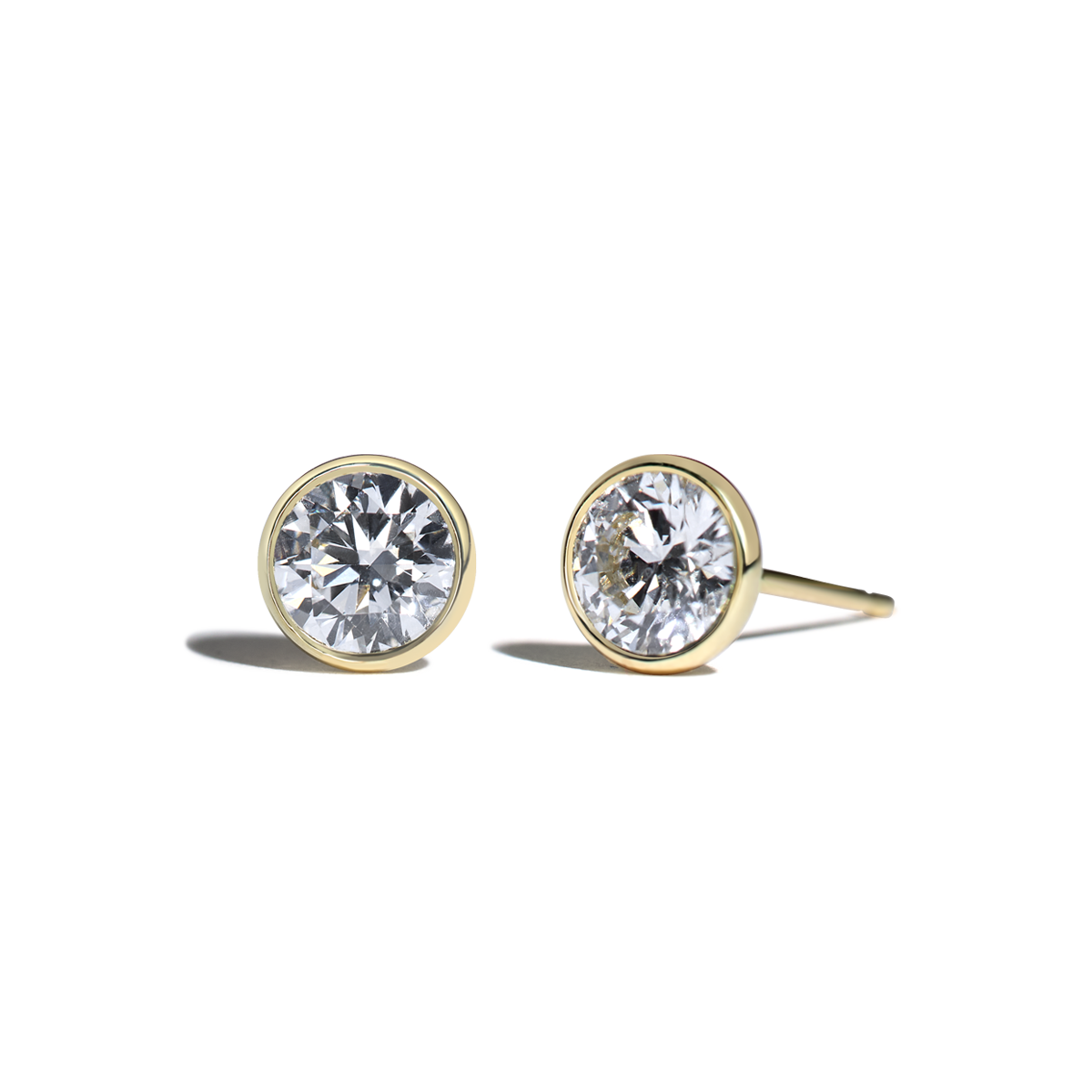
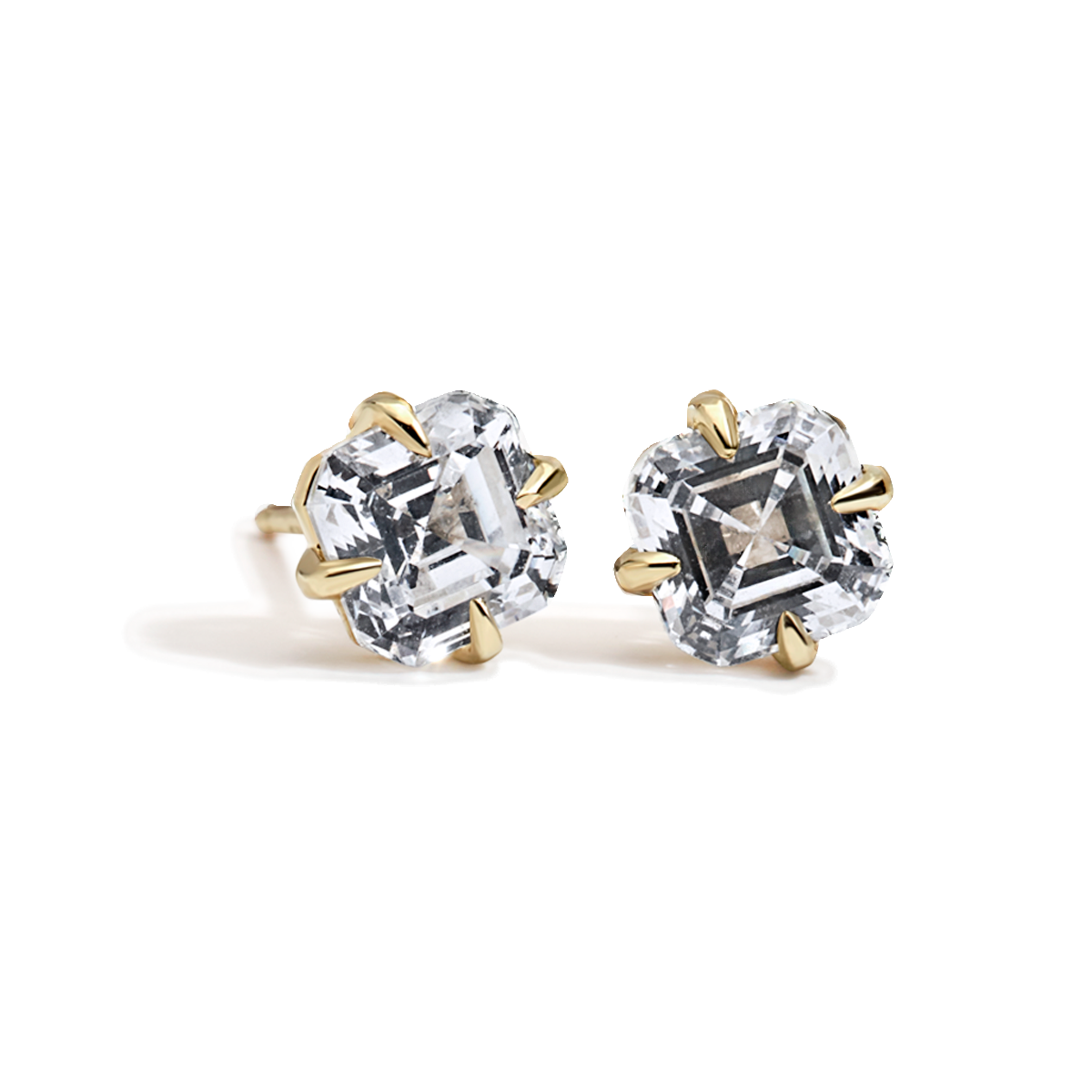
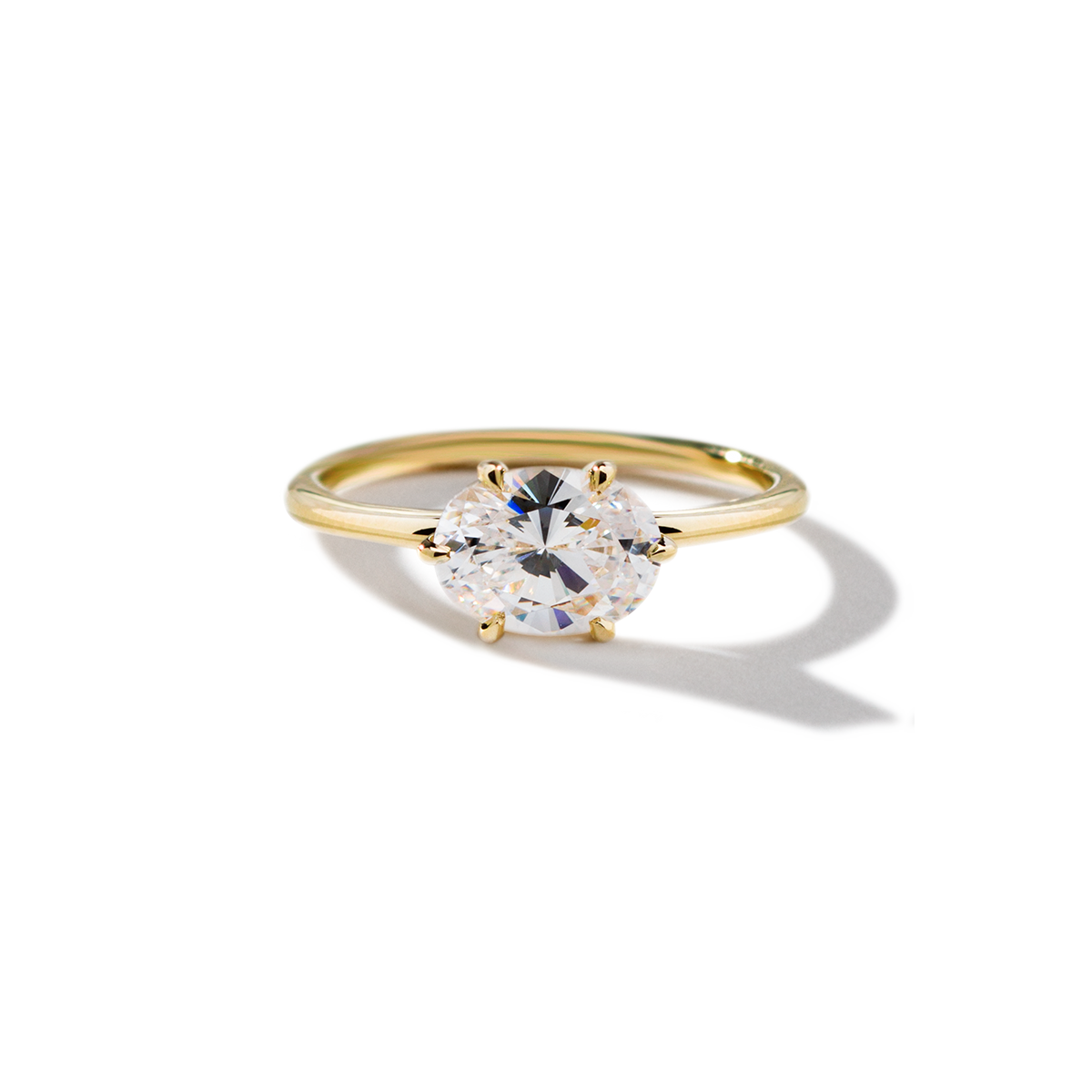
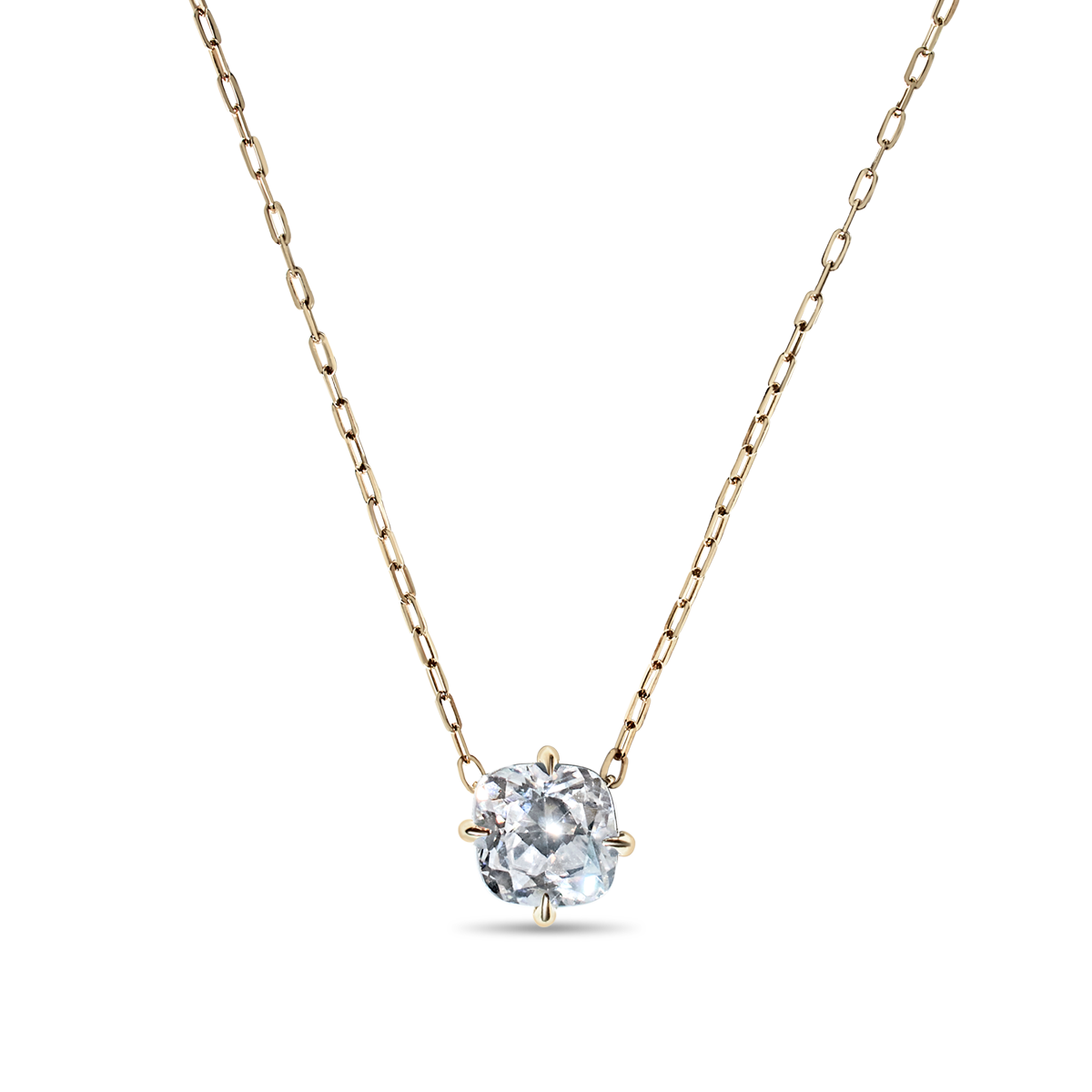




Buying a Lab Diamond Pendant in USA feels exciting, but let’s be honest, it can also feel kind of confusing, know. You open Google, type “lab diamond pendant,” and then suddenly you’re just staring at a hundred tabs, comparing prices, certifications, and settings that you don’t fully grasp. Does that sound familiar?
That’s really why we put together this guide. Instead of tossing jewelry jargon at you, we’re going to walk through it the way a jewelry expert kind of thinks, like how they consider the questions, the little details they double-check, and the red flags they avoid before they even suggest a lab diamond pendant to someone.
By the end of this post, you’ll know what to look for, what to skip, and how to buy a lab diamond pendant in the USA with real confidence.
Search interest in lab grown diamonds has gone up a ton across the USA these last few years, and there is a fairly easy reason for that it’s basically value. A lab diamond pendant in USA markets usually costs about 30% to 60% less than a natural diamond pendant that has the same size, clarity, and color,without any obvious difference when you look with the naked eye.
People are also searching because:
They are looking for a big, really attention-grabbing pendant but without that natural-diamond price tag, you know the one.
They also care a lot about responsible sourcing and a reduced environmental footprint.
And they heard that lab diamonds are chemically, physically, and optically the same as natural diamonds, so they want to double-check that claim before they buy anything.
Jewelry experts know this shift is happening, which is why the first thing they check isn't the price, it's whether the stone is genuinely lab-grown and properly documented.
If there's one non-negotiable step, it's this never buy a lab diamond pendant without a certificate from a recognized grading lab. Experts specifically look for:
IGI (International Gemological Institute) the most widely used lab for grading lab-grown diamonds.
GIA (Gemological Institute of America) also grades lab diamonds, though less commonly than IGI for this category.
The certificate should clearly state that the diamond is "laboratory-grown" and include the 4Cs breakdown (Carat, Cut, Clarity, Color). If a seller can't provide this, that's an instant red flag, no matter how good the deal sounds.
Quick tip: Always ask for the certificate number and cross-check it on the grading lab's official website. This takes two minutes and protects you from misrepresented stones.
Most buyers already hear about Carat, Cut, Clarity, and Color, but people in the know kind of look at it a bit differently when it's a lab-grown stone. they don't just eyeball it and move on; there's more nuance.
Cut
Cut is probably the biggest reason a pendant actually sparkles, like for real. Experts will usually pick an “Excellent” or “Ideal” cut grade over chasing extra karat, because a diamond that is cut poorly can look lifeless, even when it’s pretty large.
Color
Since lab diamonds are typically a lot more affordable, buyers can often swing a better color grade (think G, or even higher) while still staying within the same budget. For natural diamonds, this is not as easy, and experts always bring that up when guiding first-time buyers.
Clarity
VS1 or VS2 clarity is, in most cases , the sweet spot. It tends to look visually flawless to the naked eye, and you don't end up paying extra for internally flawless grades that really only show up in a jeweler’s loupe, so to speak.
Carat
Because lab diamonds cost less per carat, this is where buyers usually have the most breathing room. Experts often suggest going one size up from what a customer originally planned, because the jump in price is smaller than many people expect.
A diamond is only as good as what’s holding it. Before recommending a lab diamond pendant in the USA , experts closely examine it, like really closely—its setting and also how it’s built,so it stays strong over time.
Metal type 14K or 18K: gold, plus platinum, tend to be the toughest go to picks for everyday use Also, do not forget to check the hallmark stamp.
Prong security: Four prongs or six prongs, should be sitting evenly and holding the stone in a steady grip, and there should be no obvious gaps anywhere.
Bezel vs prong settings : Bezel settings, usually add extra shield, especially if your days are pretty active Prong settings instead, show off more of the diamonds sparkle, like it’s doing a little spotlight thing.
Chain quality: Even a beautiful pendant can lose a lot of its effect if it’s matched with a flimsy thin chain. Find a chain thickness and a clasp that line up with the pendant’s actual weight and balance.
This is one of the most searched questions so lets address it kinda directly.
Lab-grown diamonds are created inside controlled settings, with advanced technology that kind of mimics the natural diamond-growing process. And in the end you get a stone that is basically
Chemically identical to a natural diamond (pure carbon, crystallized structure).
Optically identical — same fire, brilliance, and sparkle.
Physically identical — same hardness (10 on the Mohs scale).
The only real difference experts point to is origin and price. A trained gemologist needs specialized equipment to tell them apart; the human eye simply cannot. This is exactly why lab diamond pendants have become such a popular, practical choice across the USA.
Experts always tell buyers: check the fine print before checking out. Before buying a lab diamond pendant online or in-store, look for:
A clear return or exchange window (ideally 15–30 days).
A lifetime warranty covering manufacturing defects.
Free resizing or chain adjustment, especially important for gift purchases.
Insurance-friendly documentation, since most jewelry insurers require a certificate and appraisal value.
A trustworthy jeweler will never hesitate to offer these — it's a strong signal of confidence in their product.
Both options work, but experts weigh them differently depending on the buyer's priority.
Buying online typically offers:
Lower prices due to reduced overhead costs.
A wider selection of carat weights, shapes, and settings.
Detailed certification and 360-degree stone videos before purchase.
Buying in-store offers:
The ability to see the pendant in person before paying.
Immediate answers to questions from a jeweler.
On-the-spot sizing and adjustments.
If you're buying online, always confirm the seller has transparent sourcing, real certification, and responsive customer support three things a genuine jeweler never skips.
Before choosing a Lab Diamond Pendant in USA, it's helpful to compare the key quality factors that jewelry experts evaluate. The table below highlights the most important features and explains how each one affects the pendant's beauty, durability, and overall value, making it easier to make an informed buying decision.
|
Diamond Feature |
What Experts Recommend |
Why It Matters |
|
Cut |
Excellent or Ideal |
Maximizes brilliance and sparkle |
|
Color |
D-H |
Bright white appearance |
|
Clarity |
VS1 to VVS2 |
Eye-clean look |
|
Certification |
Reputable grading report |
Ensures authenticity and quality |
|
Carat Weight |
Based on budget and style |
Impacts visual size |
|
Setting |
Secure and durable |
Protects the diamond |
|
Metal Type |
14K or 18K Gold, Platinum |
Long-term durability |
Once you've made your purchase, proper care keeps it looking brand new for years:
Clean it every few weeks using warm water, mild soap, and a soft brush.
Store it separately from other jewelry to avoid scratches.
Get prongs checked annually by a jeweler to ensure the stone stays secure.
Avoid exposing it to chlorine or harsh chemicals, which can damage the metal setting over time.
Buying a Lab Diamond Pendant in USA doesn’t have to feel like a giant maze once you get down to what really matters, certification, cut quality, how durable the setting is, and whether the seller is actually trustworthy. These are the same checkpoints jewelry experts go through, every single time, honestly, not much changes. And now you have that clarity too, kind of.
If you’re ready to browse certified, expertly crafted lab diamond pendants with transparent pricing and real paperwork , Clear Choice Diamonds has a curated collection made for this exact kind of informed buyer.
Is a lab diamond pendant a good investment?
Honestly it depends. Most people don’t buy lab diamonds so they can resell them later, because that’s usually not where the value sits. They’re mostly chosen for how they look and for being more affordable than mined stones.
Can jewelers tell the difference between lab and natural diamonds?
Not like, not with your eyes. In everyday situations they can look basically identical. To tell them apart, jewelers need specialized tools, and this is exactly why certification is such a big deal.
What carat size is most popular for lab diamond pendants in the USA?
Most buyers tend to land around 1 to 2 carats. It’s sort of the sweet spot between noticeable shine and still feeling comfortable to wear day to day.
Do lab diamond pendants come with a certificate?
Yes, a legit jeweler should include certification such as IGI or GIA. Still, don’t assume anything; always confirm it before buying.


