Cart
0
You may also like
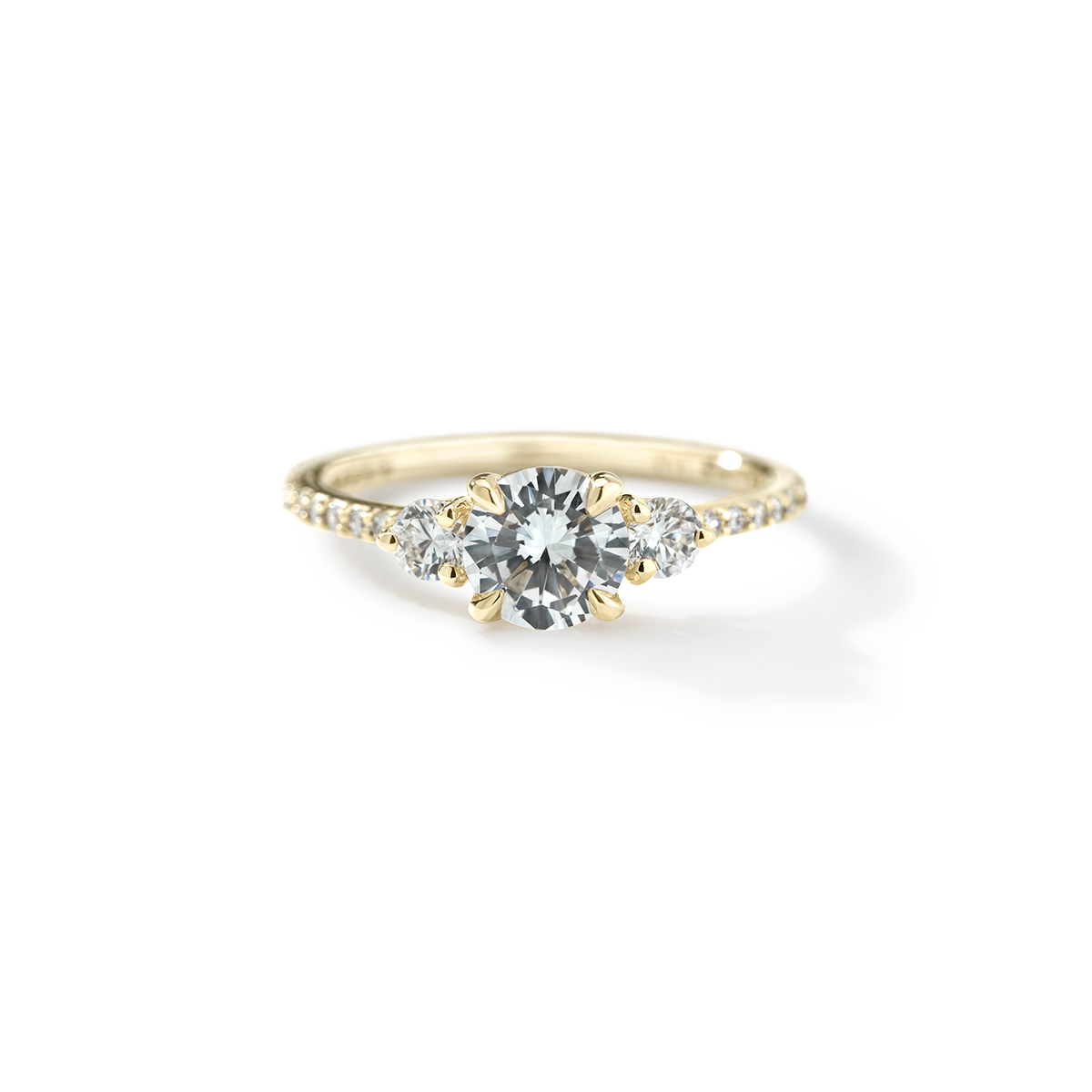
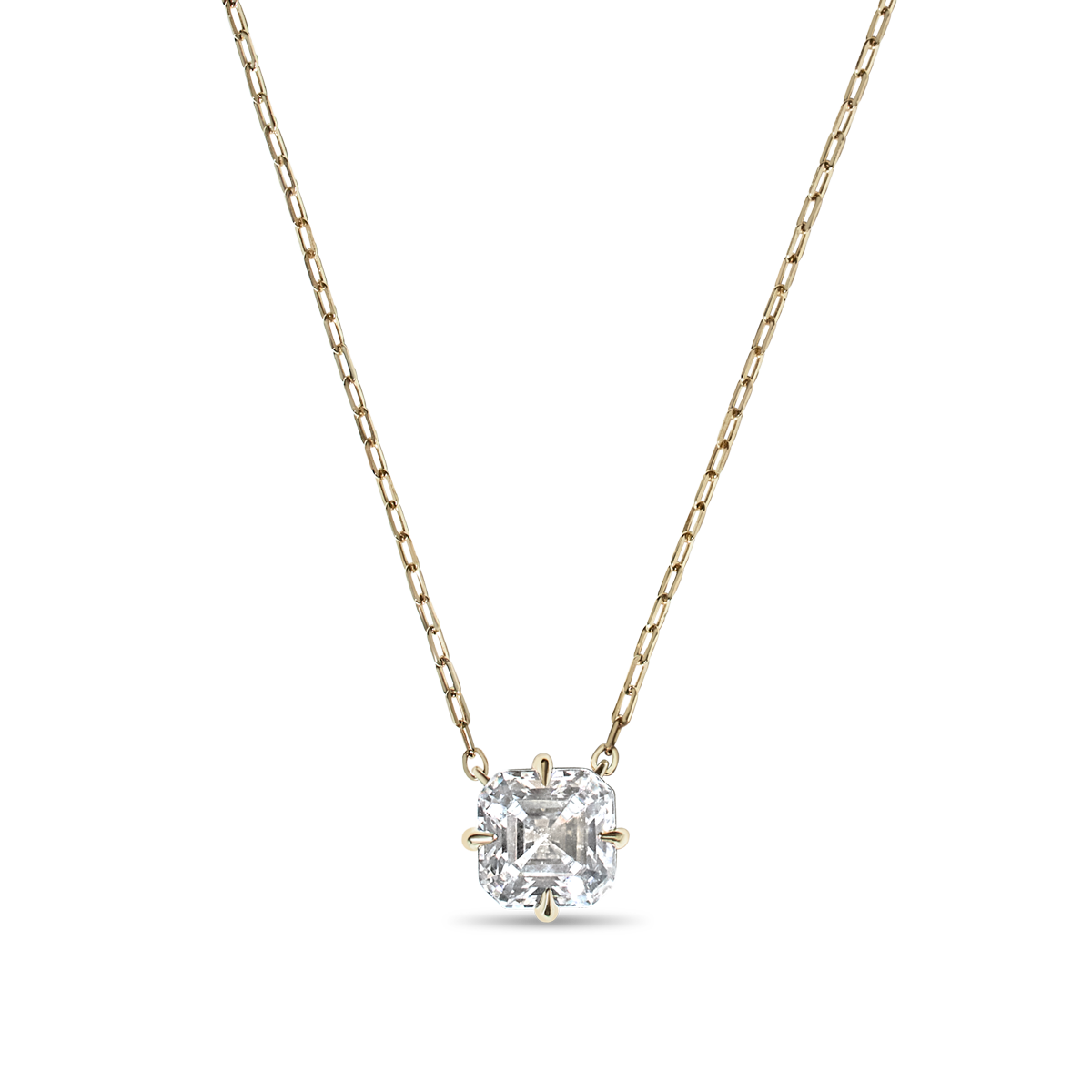
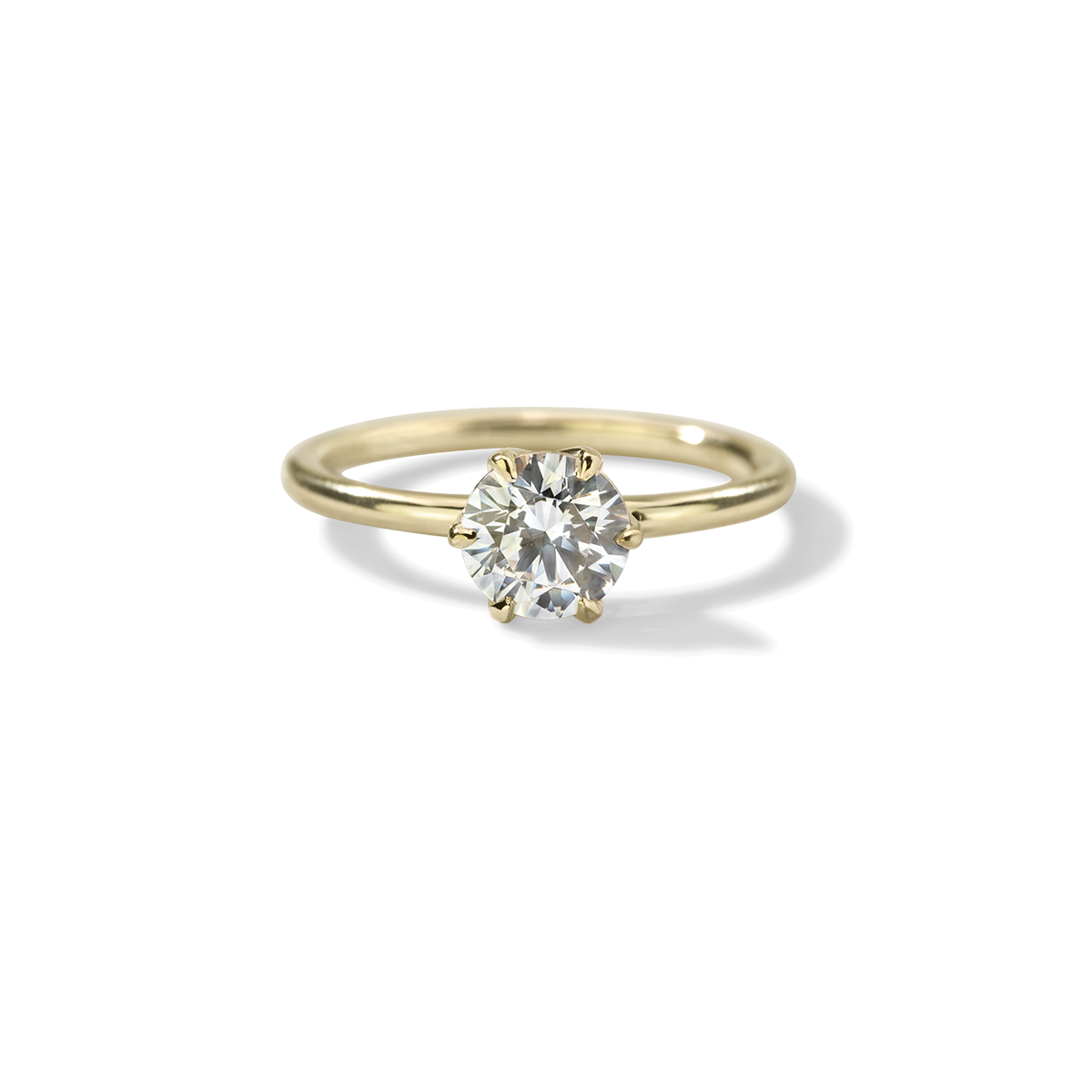
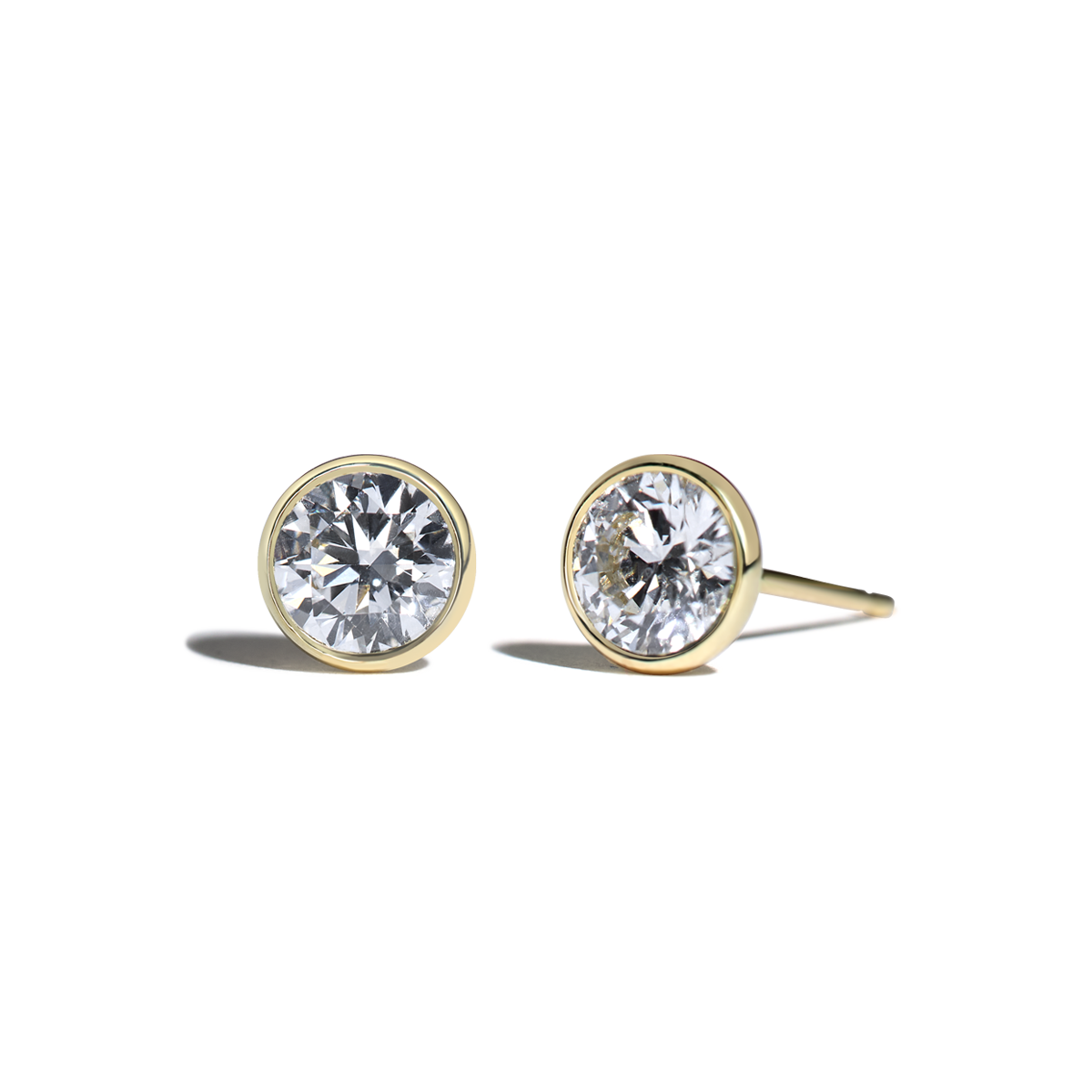
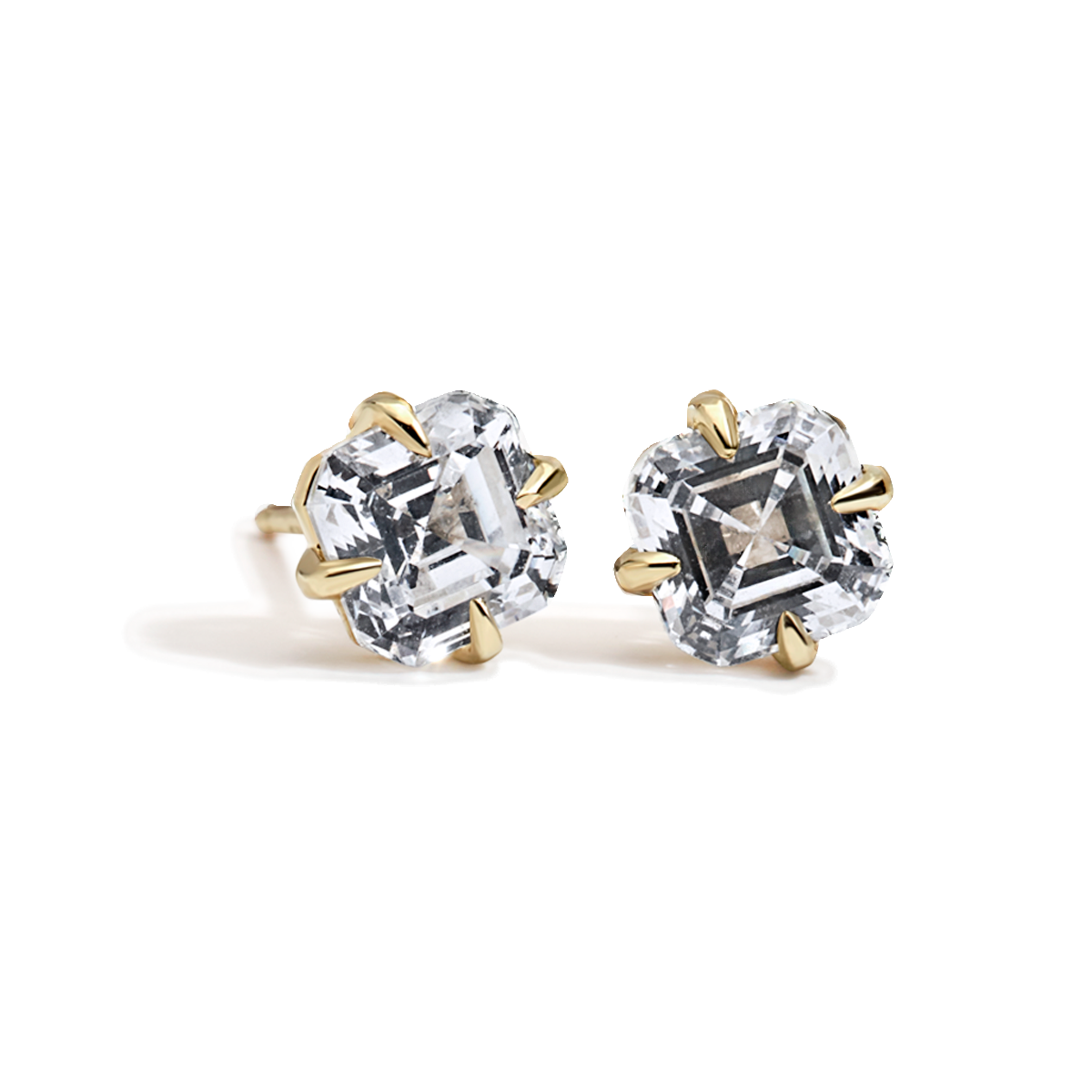
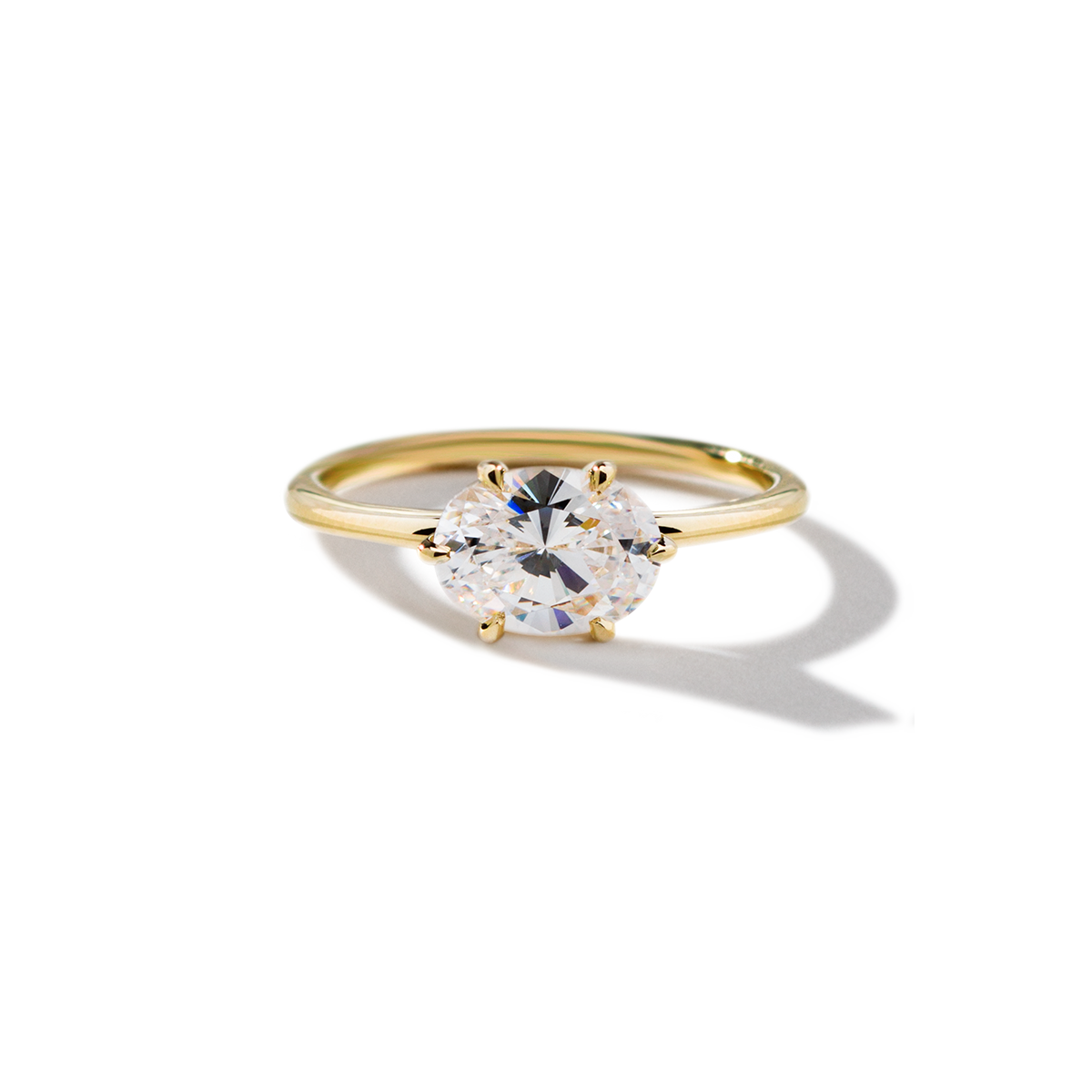
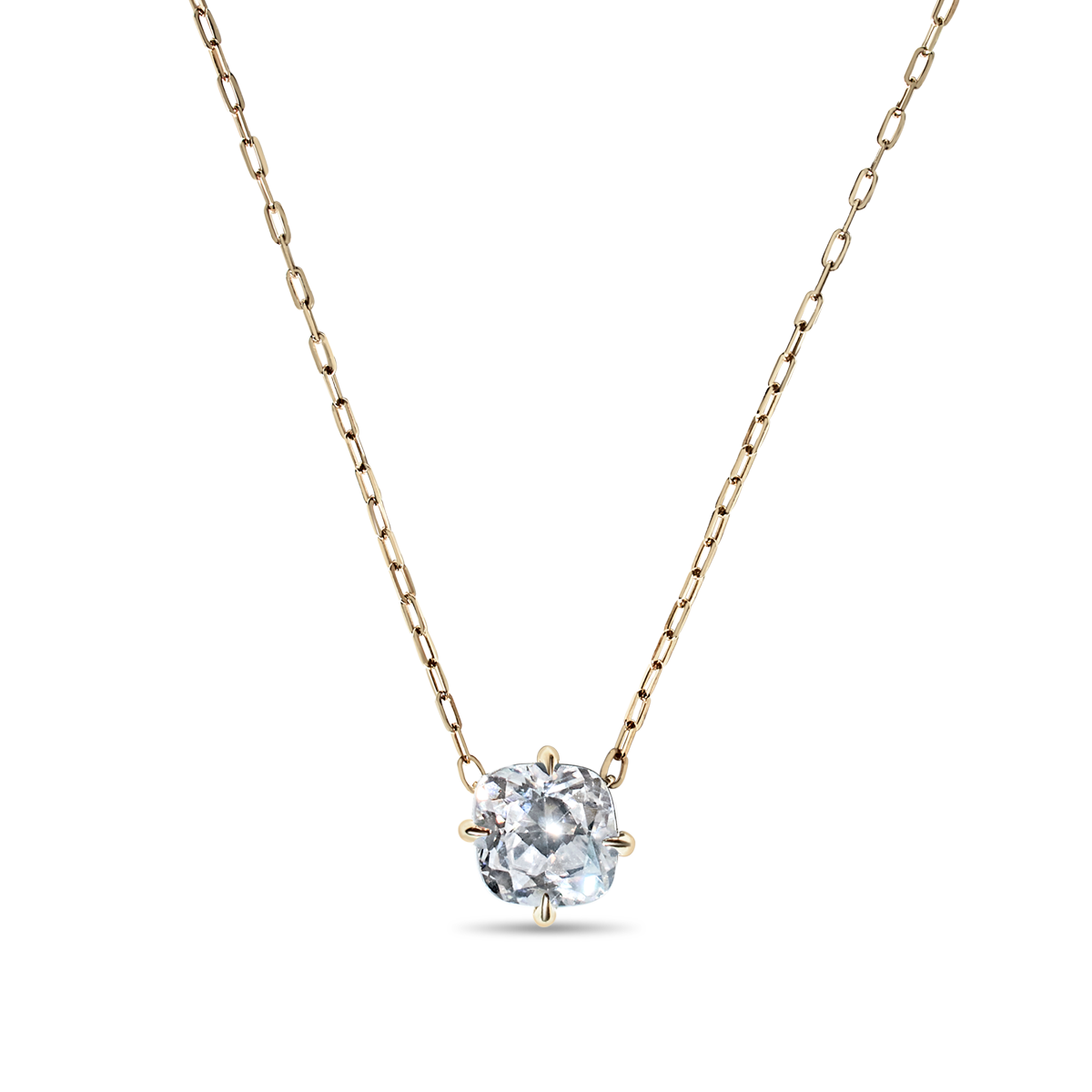




At Clear Choice Diamonds, Lab Grown Diamonds and Natural Diamonds should never be viewed as one option being better than the other. Both stones are beautiful sparkling gems. Instead, understanding what attributes each type of diamond has, and determining whether one fits with your lifestyle, personal values, and lastly your budget, will help you select the right diamond.
Not too long ago, buying a diamond was a straightforward process. If you wanted a diamond engagement ring, an anniversary gift, or a piece of fine jewelry, you walked into a store, looked at natural diamonds, and picked the best quality that fit your budget.
Today, the conversation has completely changed.
Lab grown diamonds have showed up in the jewelry market in a big way, giving buyers way more choices than before. And yeah , having options is nice but it kind of also causes this whole confusion thing. A lot of shoppers end up wavering after the fact, like they keep second guessing, thinking maybe they missed out on something vital or that they made a cash mistake.
Let’s break down everything you need to know in simple, honest terms.
The fast, almost meteoric rise of lab grown diamonds comes down to one main factor: exceptional value.
When jewelry shoppers begin comparing prices, they are often kind of startled by the numbers. With the very same budget you’d use to buy a modest natural diamond, you can usually secure a lab grown diamond that is meaningfully larger, with clearer color and clarity grades that are hard to ignore.
Budget Example:
Same Price Tag = 1.0 Carat Natural Diamond OR ~2.5+ Carat Lab Grown Diamond (with identical visual quality
For young couples trying to plan a wedding, or maybe first time homeowners saving up for a down payment, and really anyone juggling a few money goals at once, this price difference is kind of a game changer. Instead of draining their savings entirely or giving up the size and sparkle they want, buyers can get their dream ring and still have some money left over , for the honeymoon.
Despite the big surge in lab grown alternatives, natural diamonds really haven’t lost that magic,not completely. They still get picked up and admired around the globe.
The real staying power of a natural diamond seems to come from its rarity and that long, layered history.
Every natural diamond starts its journey far down in the Earth's mantle, billions of years ago. With intense heat and crushing pressure, nature slowly organized carbon into a gemstone. Then, over time, these stones were brought upward by ancient volcanic eruptions. Since they’re shaped by the earth over millennia, there’s never a perfect match , no two natural diamonds are entirely the same.
Here is the ultimate scientific truth that surprises most first-time shoppers: Lab grown diamonds and natural diamonds share the exact same fundamental properties.
They are not look-alikes; they are structurally identical. To help you visualize the core differences and similarities, look at this quick breakdown:
|
Feature |
Lab Grown Diamonds |
Natural Diamonds |
|
Chemical Composition |
100% Pure Crystallized Carbon |
100% Pure Crystallized Carbon |
|
Visual Sparkle & Brilliance |
Identical |
Identical |
|
Hardness (Mohs Scale) |
10 out of 10 |
10 out of 10 |
|
Durability |
Lifetime (Resists scratches/chips) |
Lifetime (Resists scratches/chips) |
|
Origin |
Created in high-tech laboratories |
Mined from deep within the Earth |
|
Rarity |
Supply can scale with technology |
Limited supply created by nature |
|
Price & Value |
Budget-friendly (More carats per dollar) |
Premium pricing (High resale asset value) |
|
Certification |
Graded by GIA & IGI |
Graded by GIA & IGI |
When placed side-by-side on a velvet tray, the differences are completely invisible to the naked eye. Even a seasoned jeweler cannot tell them apart without specialized, highly advanced laboratory equipment.
Because lab grown stones are relatively new to the mainstream market, a few myths have traveled around. Let’s set the record straight:
The truth: lab grown diamonds are entirely real. They are chemically physically, and optically identical to mined diamonds. So if you’re wondering, they’re not “pretend” stones, not even a little. Simulants like Cubic Zirconia (CZ) or Moissanite are fake diamonds though, because they’re made from totally different materials (such as zirconium dioxide or silicon carbide) and they don’t behave like diamond over time.
The Truth: Since they have the very same crystal structure as natural stones ,lab diamonds should never fade, turn yellow, go cloudy, or lose their brilliance. It s the sparkle you notice on day one, and it’s the same sparkle later on, the one your grandchildren will still be seeing decades from now.
If theres one major operational difference every smart buyer must know it’s how these stones hold their financial worth over time, really .
Natural Diamonds: Because nature's supply is strictly finite, natural diamonds retain a significant portion of their market value. While jewelry shouldn't be treated like a liquid stock investment, a natural diamond remains a precious asset with a historic secondary market.
Lab Grown Diamonds: Because they are created using modern technology, production efficiency improves over time. As a result, the resale value of lab grown diamonds is quite low.
The takeaway? Buy a natural diamond if you view your jewelry as an heirloom asset that holds intrinsic monetary value. Buy a lab grown diamond if you view your purchase as a beautiful luxury item where the "return on investment" is the immediate cash saved upfront.
Because there isn't really a single right answer, finding the match that feels perfect for you is mostly about checking what you actually want. Before you swipe your card, take a minute and ask yourself these three questions, kind of quietly.
1. What is my absolute priority—size or sentiment? Like, if you are after a massive jaw-dropping rock and you also need it to sit comfortably inside a reasonable budget, lab grown is pretty much the move. But if your heart wants something rare and romantic, basically a small piece of Earth’s history, then natural wins.
2. How do I measure long-term value? Do you care about resale price and that traditional idea of luxury inheritance. Or do you prefer to keep that extra money in your bank account for now to support a home purchase or an investment portfolio later?
3. What does my partner prefer? If you are buying an engagement ring, it helps to gently read their mindset. Some people really love the modern, tech-forward, pocket-friendly side of lab diamonds. Others, though, have had a childhood dream of a classic mined natural stone forever.
At the end of the day, the debate between Lab Grown Diamonds vs Natural Diamonds isn't about proving one is superior to the other. Both paths lead to an incredibly durable, breathtakingly beautiful gemstone that will last for generations.
For timeless diamond essentials like solitaire studs and rings that pair perfectly with lab-grown options, see 2026's 10k,14,18k Gold & Diamond Engagement Rings in USA should own If you're planning a wedding or party look, also check clearchoicediamonds for more inspiration.


